

Integrating Advocacy Into Your ELT
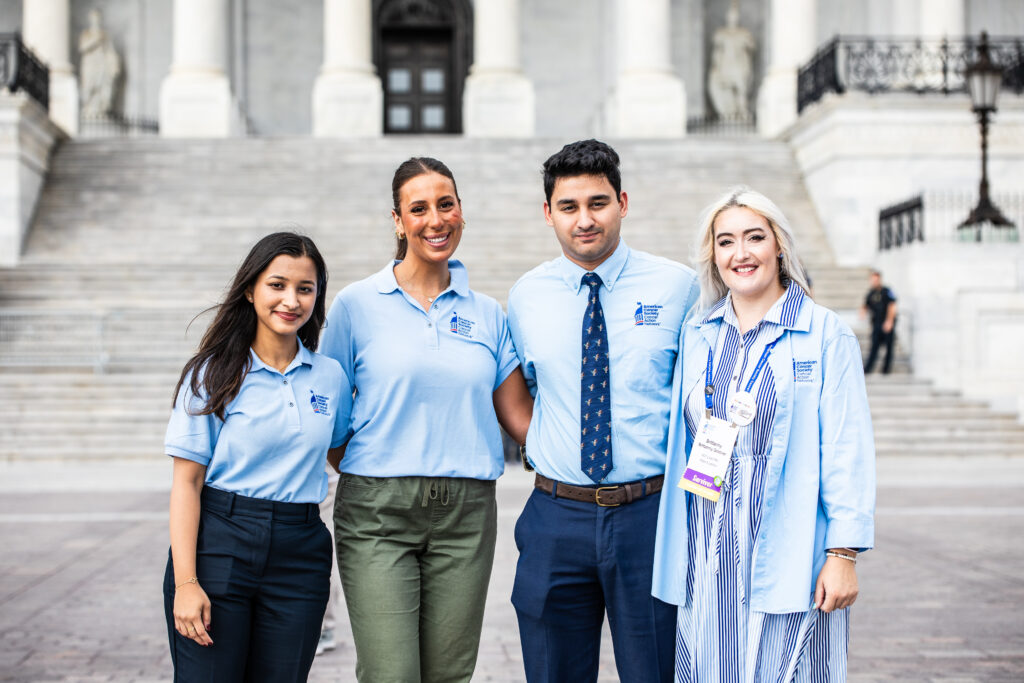
Advocacy empowers students everywhere to act in the fight against cancer. Advocacy is important to young people because it empowers them to have a voice in shaping the issues that directly affect their lives and future. Engaging in advocacy builds leadership, communication, and critical thinking skills—tools that benefit them throughout life. Below are some examples of how a school can incorporate advocacy into their Relay For Life events that will inspire awareness and change.
How High School Students can Participate in Advocacy (Even As Minors)
Students, no matter the age, can let their voice be heard by incorporating advocacy initiatives through the American Cancer Society Cancer Action Network. These initiatives should always be approved by working with your American Cancer Society staff partner who will work in partnership with that your states American Cancer Society Cancer Action Network’s Grassroots Manager.
Create an Advocacy (ACS CAN) Chair & Subcommittee
Assign a dedicated Advocacy or ACS CAN Lead to your ELT. This person’s role is to recruit participants into the American Cancer Society Cancer Action Network (ACS CAN), educate them about relevant legislation, and mobilize grassroots advocacy.
Utilize the Advocacy Engagement Ideas at ACS Community Events guide to make advocacy active
Incorporate Advocacy in Meetings, Communications & Day Of Event
- Include advocacy as key themes in planning meetings, social media campaigns, and event-day scripts.
- Meetings Example: Set up a station where meeting attendees can quickly sign pre-written letters to lawmakers or decorate luminaira with messages for local and state representatives.
- Day Of Event Example: Integrate Advocacy into activities such as an “Advocacy Lap” or include messaging into ceremony scripts with a clear call to action.
Incorporate Advocacy into Your Events Social Media Strategy
- Dedicate one week to raising awareness online about cancer prevention and detection. Post educational facts, tag local officials or ministries of health, and share stories of hope or survivorship. You can even create a shared hashtag for your campus or region to spark engagement and amplify your message.
Create a Storytelling Platform
- Build a dedicated space for survivors, caregivers, and students to share their experiences. This could be a “Story Wall” at your event or a featured social media series. These powerful, personal stories are the heart of advocacy and provide the undeniable “why” behind your efforts.