

Recruiting Specific Audiences
Greek Life
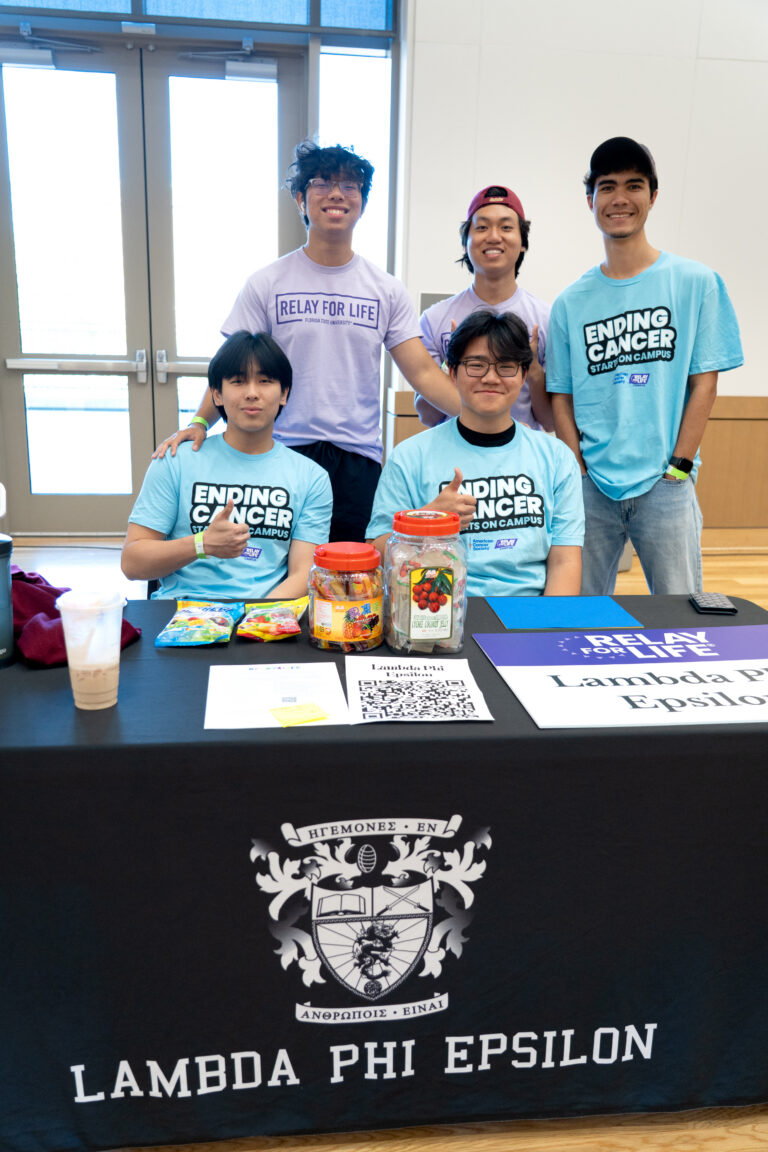
On many college campuses, Greek Life encompasses a large proportion of the student population. This makes Greek Life an important group to target in your recruitment efforts. Furthermore, many Greek Life organizations have philanthropy requirements that can be fulfilled through participation in Relay For Life! You can also check out our Greek Life Recruitment Guide for more specific information on recruiting Greek Life and fundraising strategies. Some of the key details are included here.
Identifying Greek Life Organizations
The first step is to determine which Greek Life organizations exist on your campus. Many campuses have Interfraternity and Panhellenic Councils that govern the major Greek Life organizations. Additionally, the national Pan-Hellenic Council and the Multicultural Greek Council are responsible for many cultural and ethnically based Greek Life organizations. Try reaching out to your campus’ representatives on these councils to request contact information for organizations.
You can additionally utilize connections within your ELT. It is likely that members of your ELT are in Greek Life or have connections to Greek Life that they can provide contacts for. Utilize this network to reach out to the organizations on your campus.
Recruiting Greek Life Organizations
It is important to tailor your recruitment efforts to the organization you are recruiting. For Greek Life, it is helpful to focus on the service aspect of Relay and emphasize the tangible impact of fundraising for the American Cancer Society. Below are specific strategies you can utilize.
Chapter visits
As mentioned in the Chapter Visits section, speaking to organizations in person is a powerful strategy. For Greek Life, this can be especially daunting with some organizations having hundreds of members. However, it is important to consider the impact and reach chapter visits have with such a large audience.
Challenges
Greek Life organizations love competing against one another! Consider designing a Greek Life specific challenge using the tips provided in the Recruitment Challenges section.
Partnerships
As you recruit and establish connections with Greek Life organizations, you can begin pushing for greater commitments from orgs. Consider asking orgs to make registration required for new members or all members. Partnerships can form a strong participant foundation for years to come!

Athletics
Another large population of students is athletics! Athletics encompasses students participating in varsity, club, and intramural sports. Recruiting athletics organizations can feel daunting as there are often many of them on campus, but there are strategies you can use to make it more manageable! See below for recommendations for athletics recruitment.
Identifying Athletics Organizations
Finding athletic organizations on campus typically involves visiting your college’s athletics website. There will likely be a list of the varsity teams along with contact information for head coaches. You can check your school’s recreation website for lists of club and intramural sports or get in contact with the offices that govern these teams.
Another option for identifying athletics orgs is to look for councils that require representatives from each sport. These typically exist for varsity athletics, and some schools have club sports councils as well. You can try reaching out to advisors for these groups to set up meetings or talk to students involved in them. As always, your ELT is another great resource when identifying organizations.
Recruiting Club and Intramural Athletics Organizations
Recruiting Club and Intramural level athletics often employ similar strategies to other student groups on campus. This may include sending DMs and emails, speaking with team captains, and creating challenges to encourage competition between teams. Take a look at the Student Clubs section for more tips.
Your college may additionally have a club sports office you can contact. This office is typically responsible for sending information to club athletes, and they may be willing to send an email to all club sports teams about your Relay event or helping to implement a community service requirement for teams to attend Relay. Try looking online for contact information for this office or go to your school’s athletics center to speak to someone in person.
Recruiting Varsity Athletics Organizations
For varsity athletics, sometimes going through coaches or athletics admin staff can be a better strategy. See below for some tips for varsity recruitment:
- Contact Head Coaches
- The coaches of teams have influence over their athletes! Try looking on team pages for coach contact information and emailing coaches about Relay. You can also look for information about Head Coach meetings that would allow you to speak to all the coaches at once.
- Play into community service requirements
- Many athletics teams have required service hours. Relay For Life is a great way to fulfill this requirement. When reaching out about Relay, include this detail to convince teams to register.
- Just as schools have club sports offices, they also have varsity athletics offices!
- Look online for a contact from this office and see if they can send out information about Relay to all teams. They may also be able to get you into meetings such as the Head Coaches’ meeting or a student athlete meeting.
- Look for cancer awareness games
- Many sports host cancer awareness games throughout the year. Try contacting teams to see if you can table at these games or if they would consider donating any fundraising to your Relay event.


Student Clubs & Orgs
Most college students are involved with at least one campus club or organization. Recruiting these groups is a great opportunity to grow student involvement at Relay and diversify your participants.
Identifying Student Clubs
Start by checking your college’s website for a list of student organizations that are recognized on campus. The office that supervises these clubs might be able to provide a list of contact information for each club. Consider reaching out by email or social media to the group leaders to see if they are interested in getting involved with Relay For Life.
Ask your ELT members about what student organizations they are already involved with. Utilize the Circle of Influence template to see what club representatives you already know! Have them make a personal ask to the club leaders or have them create a team for the club.
Recruiting Student Organizations
Start by connecting with clubs of similar interests who might be interested in supporting ACS’s mission. This could include organizations that are related to healthcare, philanthropy, or community service. Share with them how their involvement would directly help raise money and support for ACS. Tailor your ask to their interests and what would most appeal to the group. After you tackle these clubs, start with the biggest organizations and work your way to the smaller ones. More members = more fundraising potential!
Ask club leaders if you can present at a meeting to all of their general members. This is a great way to recruit a large group of people at once. Help the group make a new team and get fundraising together!
Consider hosting an event together to raise money or spread the mission of Relay For Life to a new group of people. Working together on something small might inspire them to get involved in a bigger capacity!
Consider how you can both benefit from their attendance at Relay For Life. Ask them to run a fundraiser at your event and allow them to market their club to new students at the same time. Win, win for everyone!


Faculty & Staff Members
Another aspect of your campus community is the faculty and staff members who work there! Consider your connections on campus to those who are employed by the university. Inviting faculty and staff members are a great opportunity to add a new element to your event!
Identifying Faculty and Staff
We don’t just attend school to participate in Relay For Life…we are all students too! Think about your academic commitments and involvements on campus: classes you take, campus jobs you work, labs you do research in, TAs who teach your office hours, and academic clubs you engage in. These are all opportunities to invite a new group of people to get involved with your campus community by learning more about Relay For Life.
Think about what faculty and staff members you might have connections to:
- Professors and TAs of your classes
- Past professors or other professors in your college/department
- Faculty advisors of other clubs you are in
- Academic advisors
- Sports coaches
- Employers of a campus job
- Professor and their research lab
Recruiting Faculty and Staff
Convincing faculty and staff members to attend your event can be a tough ask, but below you can find some ways to go about recruiting your campus connections!
- Ask to attend a staff meeting to present information about Relay For Life
- Go to your professor’s office hours and make the ask personally
- Write a letter to your professor and give it to them after class or drop it in their mailbox
- Have ELT members email their professors personally
- Hang an informational flyer on their office door
- Note: this is a great place to start but not a full ask! Refer to the “Tailoring Your Ask” section for more details.
Use your ELT members to reach a wide array of staff – faculty are more likely to be responsive to their own students.
If faculty members don’t want to attend the event, they can still sign up to support the cause, donate to your fundraising page, or volunteer at the event for a short time. They could also spread the word to their students, or even better, let you present about Relay For Life for 5 minutes at the beginning or end of class. Give them options that might work better for their schedule and commitment level!
Create opportunities for faculty members to be involved together. Consider hosting a faculty and staff dinner or a staff vs students game at the event. Encourage them to bring their families, and maybe even offer them childcare by the ELT in exchange for a donation!
Community Members
Members of the surrounding community are another great opportunity to grow your event and raise awareness of the work you are doing through Relay For Life.
Think about individuals or businesses in the local community that you might know or spend a lot of time around. This could be anyone from family and friends that live in the area to the manager of your favorite local coffee shop! Engaging these populations can be a fantastic opportunity to not only gain new participants, but also collect sponsorships or donations. This is also a chance for businesses to gain exposure on your campus – win, win for both sides!
Consider some of the following ideas to engage community members:
- Tabling throughout the community – local parks, outside popular restaurants, at the community center or nearby gym, grocery stores, coffee shops, etc. The possibilities are endless! Also, ask to hang a few flyers inside while you are there.
- Go door to door and ask your neighbors
- Connect with local restaurants and businesses for percentage nights and use the opportunity to talk to attendees about Relay. This raises money and provides a chance to recruit new participants!
Don’t be afraid to tap into new areas of your community – you never know who will have a cancer connection and want to help out!

Survivors & Caregivers
An integral part of Relay For Life is honoring cancer survivors and their caregivers. Below are some suggestions on how to best recruit this population to attend your event!
- Connect with local hospitals or healthcare facilities that may have cancer patients
- Ask to hang flyers on bulletin boards
- Ask healthcare providers to spread the word to their patients
- Ask if the facility has a cancer support group that they can send the information to
- Connect with local cancer centers
- Check HERE to see if ACS has a Hope Lodge near you!
- Find local cancer support groups
- Whether this is a group for cancer survivors or caregivers, ask to share some information about Relay with their network
- Ask students and faculty if they know a cancer survivor that they can reach out to
NOTE: A patient’s personal diagnosis and health information is confidential, meaning healthcare providers cannot disclose this information to you. But that doesn’t mean you can’t provide information to healthcare workers and leave your contact info for anyone who is interested and wants to reach out to you for more information.

Talking to survivors and caregivers can be nerve-wracking and require delicate language. Find some tips below on how to best approach these conversations when trying to recruit survivors.
Do’s:
- Focus on the celebratory aspects of Relay — Survivor Lap, Luminaria, meaningful speeches, Survivor and Caregiver activities, etc. Any incentives from vendors such as discounts for survivors/caregivers should also be highlighted.
- Provide all relevant information to make it as easy as possible to get involved, such as giving examples of existing teams that would welcome them in, letting them know they can participate in your event at whatever capacity they are able to, and sharing the event details so they know exactly what to expect. Be open and willing to answer any questions they may have.
- Emphasize the mission of Relay For Life by describing patient support programs at ACS, highlighting the community built through Relay, and sharing your own story (if comfortable).
Don’ts:
- Do not override privacy of survivors/caregivers — if someone does not seem comfortable sharing their experiences or disclosing their survivor status, do NOT push anyone to discuss their story.
- Do not single anyone out as a survivor or share their status without explicit consent.
- Do not diminish any participant’s experiences.


Looking for more information on how to engage survivors and caregivers with your Relay For Life event? Check out this guide for help on how to find survivors within your community, support caregivers, and keep them engaged with your event throughout the year.
When it comes to recruiting caregivers, it can be hard to single them out from other groups. Try some of the other tactics in this guide, especially within your surrounding community, to find and include them!
Next Steps
- Follow @campusrelay on Instagram to learn more about discount code days and national recruitment challenges
- Connect with your ACS staff partner and the NCLT for help implementing these recruitment tactics
- Visit ACSResources.org for additional recruitment resources